
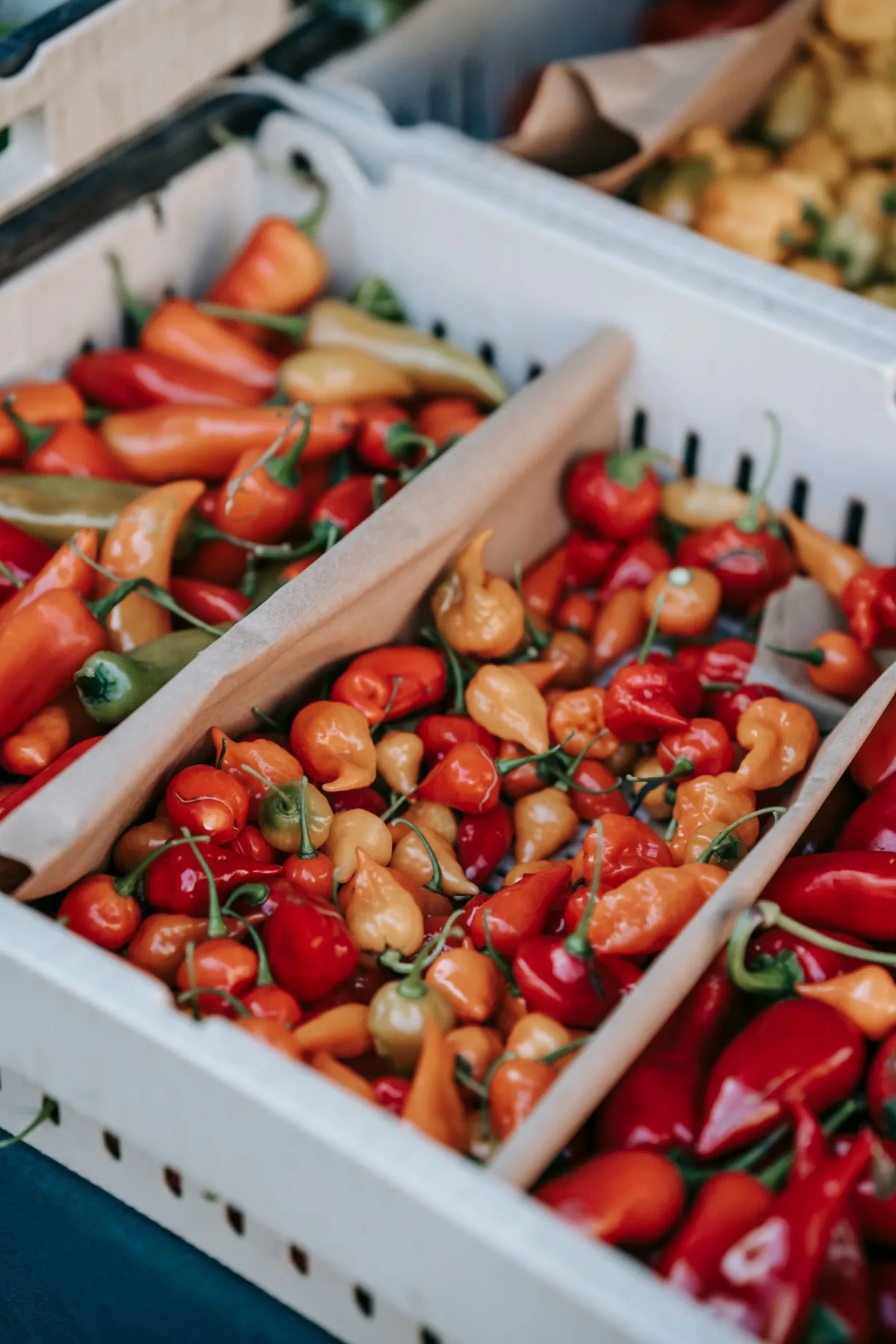
Canada's Food Price Report 2026 forecasts that overall food prices will rise 4% to 6% this year, adding up to $994.63 to the grocery bill of an average family of four. That's the headline from the 16th annual edition of the report, released December 4, 2025, by Dalhousie University's Agri-Food Analytics Lab with seven partner universities across Canada. A family of four is now expected to spend $17,571.79 on food in 2026, and food prices overall are 27% higher than they were five years ago. Here's what the report actually predicts, what's driving the increases, and practical strategies to keep your own bill in check.
Key takeaways
- The 2026 report forecasts overall food price increases of 4% to 6%, with the average family of four spending $17,571.79, up to $994.63 more than in 2025.
- Meat is the biggest pain point: the category is expected to rise 5% to 7%, led by beef, which surged 9% in 2025 and may not normalize before mid-2027.
- Food prices are 27% higher than five years ago, and one-quarter of Canadian households are now considered food insecure.
- Alberta, New Brunswick, Nova Scotia, Ontario, and Quebec are forecast to see increases above the national average.
- The increases are driven by trade disputes, labour challenges, energy and input costs, and weather-related disruptions, not by a single cause.
What is Canada's Food Price Report?
Canada's Food Price Report is an annual forecasting publication produced collaboratively by eight Canadian universities: Dalhousie University, Saint Mary's University, the University of Prince Edward Island, Cape Breton University, the University of Guelph, Université Laval, the University of British Columbia, and the University of Saskatchewan. The lead author is Dr. Sylvain Charlebois, director of Dalhousie's Agri-Food Analytics Lab.
The 2026 edition is the report's 16th. It uses predictive analysis models that factor in variables including climate change and geopolitical information to forecast prices across food categories and estimate household spending. Its 2025 edition predicted roughly 4% overall inflation, and came in close, though it underestimated how fast meat prices would climb.
The 2026 numbers, category by category
The report's overall forecast is a 4% to 6% increase in food prices for 2026. Within that range, the pain is unevenly distributed:
Category | Forecast increase (2026) |
|---|---|
Meat | 5% to 7% |
Vegetables | 3% to 5% |
Bakery | 2% to 4% |
Dairy and eggs | 2% to 4% |
Fruit | 1% to 3% |
Seafood | 1% to 2% |
Restaurants | 4% to 6% |
Other (packaged goods) | 4% to 6% |
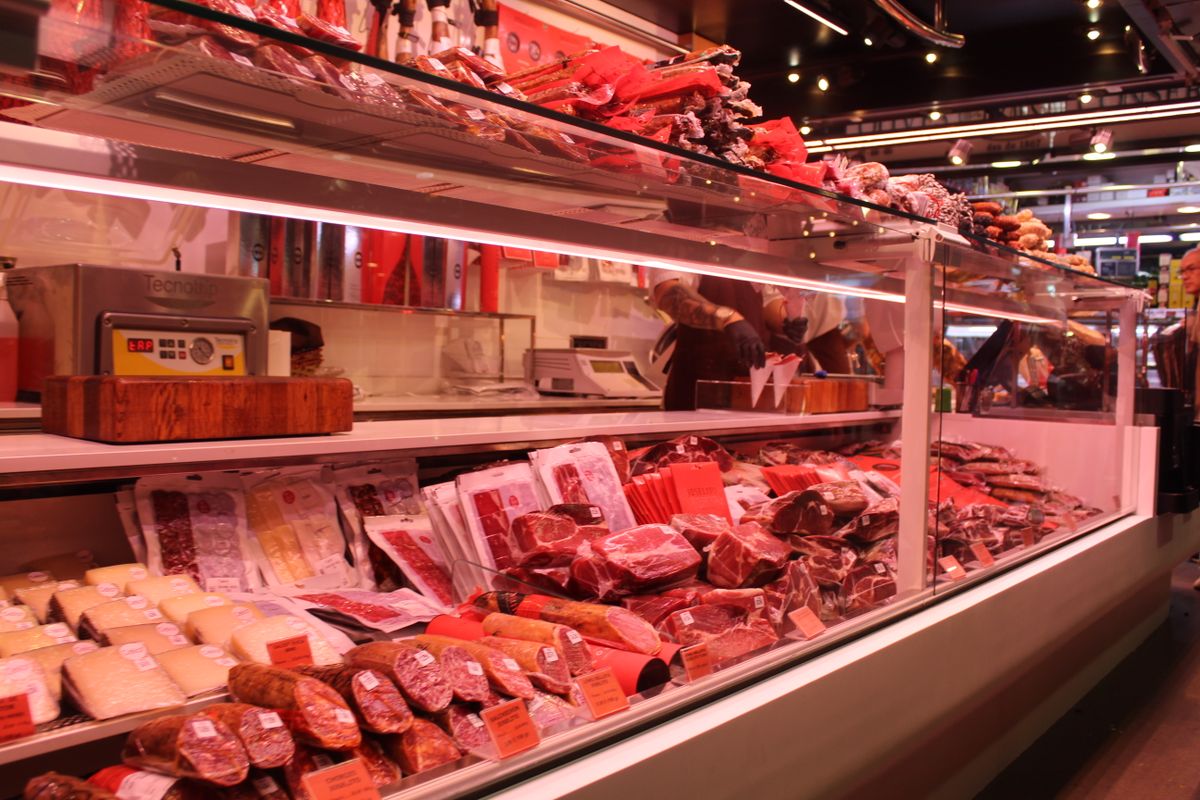
Meat is the story of this year's report. In 2025, meat prices rose 7.2%, the highest rate of any food category, and the report expects another 5% to 7% increase in 2026. The researchers describe the beef situation in stark terms: "We predict that meat prices are going to continue to be a nightmare for consumers," Charlebois told CBC News when the report was released.
The numbers behind the warning: retail beef prices jumped 19% in the first quarter of 2025 alone. For the full year, beef prices were up 9% over 2024 and 23% above the five-year average. Canada's cattle herd is at its lowest since 1988. Because expensive beef pushes shoppers toward chicken and pork, demand, and prices, have risen across the whole meat counter. As the report's lead author put it, "very rarely have we seen all three main components of the meat trifecta, beef, chicken and pork, become more expensive at the same time in a single year." The report doesn't see relief soon: "We don't see how beef prices could normalize before mid-2027."
One subtle warning in the report: the center aisles of the grocery store, canned and packaged goods, traditionally the refuge for budget shoppers, are expected to rise 4% to 6% after years of relatively stable pricing. "Typically the centre of the store is a go-to place for people who are seeking harbour from inflation," Charlebois said. "That's not going to be the case in 2026."
Why prices are rising
The report cites several converging drivers rather than a single cause:
- Trade disputes. Canada-U.S. tariff tensions have raised costs on imported goods and inputs, feeding through the supply chain.
- Tight beef supply. Shrinking cattle herds, ranchers leaving the industry, and drought in Western Canada have constrained production, a trend expected to last at least through 2027.
- Labour challenges. Staffing shortages are raising costs from farms to food manufacturers to grocery shelves.
- Energy and input costs. Production, processing, and packaging costs have all climbed, and those costs are passed on to shoppers.
- Weather disruptions. Climate-related disruptions to food production add volatility to supply and prices.
Regionally, Alberta, New Brunswick, Nova Scotia, Ontario, and Quebec are forecast to experience price increases above the national average in 2026.
The human cost: food insecurity
The report's context section carries a sobering statistic: one-quarter of Canadian households are considered food insecure. A companion figure, citing 2024 University of Toronto data reported by Farmers Forum, puts it at 25.5%.
Consumer behaviour has already shifted. In 2025, 86% of consumers reported eating less meat because of high prices, but only 17% reported eating more plant-based protein instead. That gap suggests most people aren't substituting; they're simply buying less food.
Practical strategies to push back on your grocery bill
No strategy can cancel out 4–6% inflation, but these tactics target the categories rising fastest:
- Rebalance your protein mix. With beef up 9% in 2025 and meat forecast to rise another 5–7%, shifting some meals toward eggs, legumes, and tofu, the cheapest protein sources per serving, attacks the fastest-rising category directly. Note that dairy and eggs are forecast to rise only 2–4%.
- Buy meat on markdown, freeze it. Grocery stores discount meat approaching its best-before date. Portion and freeze same-day, and you've locked in a lower price than the shelf average.
- Shop the flyer, not the craving. Plan meals around what's on sale rather than shopping from a fixed list. Vegetables (3–5% forecast) fluctuate seasonally; buying in-season produce from Canadian growers avoids import premiums.
- Attack the center aisles strategically. With packaged goods forecast at 4–6%, up from years of stability, store-brand equivalents and bulk-bin staples (rice, oats, dried legumes) deserve a bigger share of your cart.
- Cut waste, not just spending. Canadians throw away a significant share of the food they buy; every dollar of food wasted is a dollar of inflated spending. A weekly "use it up" meal built from what's already in the fridge is free inflation protection.
- Compare unit prices. The price per 100 grams on the shelf tag is the only honest comparison between package sizes. Shrinkflation, smaller packages at the same price, is how manufacturers hide increases.
- Reconsider restaurant spending. Restaurant prices are forecast to rise 4–6%, matching grocery inflation, so cooking at home is no longer the bargain it once was relative to dining out, but it's still far cheaper per meal. Shifting even one restaurant meal a month to home cooking saves real money.
The bottom line
Canada's 2026 food price forecast is not a blip, it's the continuation of a climb that has left groceries 27% more expensive than five years ago, with beef potentially not normalizing before mid-2027. The $994.63 increase for a family of four is the report's upper-range estimate; your actual number depends on where you live and what you buy. The practical defense is the same in any inflationary year: target the fastest-rising categories, waste less, and let the flyer, not habit, write your shopping list. If rising food costs are straining your household budget, local food banks and community organizations across Canada can help; needing support with groceries is, in 2026, an increasingly common experience.
Sources
- Dalhousie University Agri-Food Analytics Lab, Canada's Food Price Report 2026
- Canadian Grocer, Food prices forecast to climb up to 6% in 2026
- Farmers Forum, Farmers face increased costs while consumers brace for even higher grocery bills in 2026
- Money.ca, Food prices expected to rise again in 2026
- Canadian Cattlemen, Canada's Food Price Report shows meat, pantry goods prices expected to rise "a lot" in 2026
Quick answers
Frequently asked questions
01
How much more will a Canadian family spend on food in 2026?
Canada's Food Price Report 2026 forecasts the average family of four will spend $17,571.79 on food in 2026, an increase of up to $994.63 from 2025. Overall food prices are expected to rise between 4% and 6%.
02
Why is meat so expensive in Canada in 2026?
Beef supply is the core problem: Canada's cattle herd is at its lowest since 1988, ranchers are leaving the industry, and Western Canada drought has hurt production. Beef prices rose 9% in 2025 (23% above the five-year average), and because shoppers pivot to chicken and pork, prices have risen across all meats. The report forecasts another 5% to 7% increase for the meat category in 2026.
03
Which provinces will see the biggest food price increases in 2026?
Alberta, New Brunswick, Nova Scotia, Ontario, and Quebec are forecast to experience food price increases above the national average.
04
When will beef prices come back down?
Not soon, according to the report's authors. The report states: "We don't see how beef prices could normalize before mid-2027."