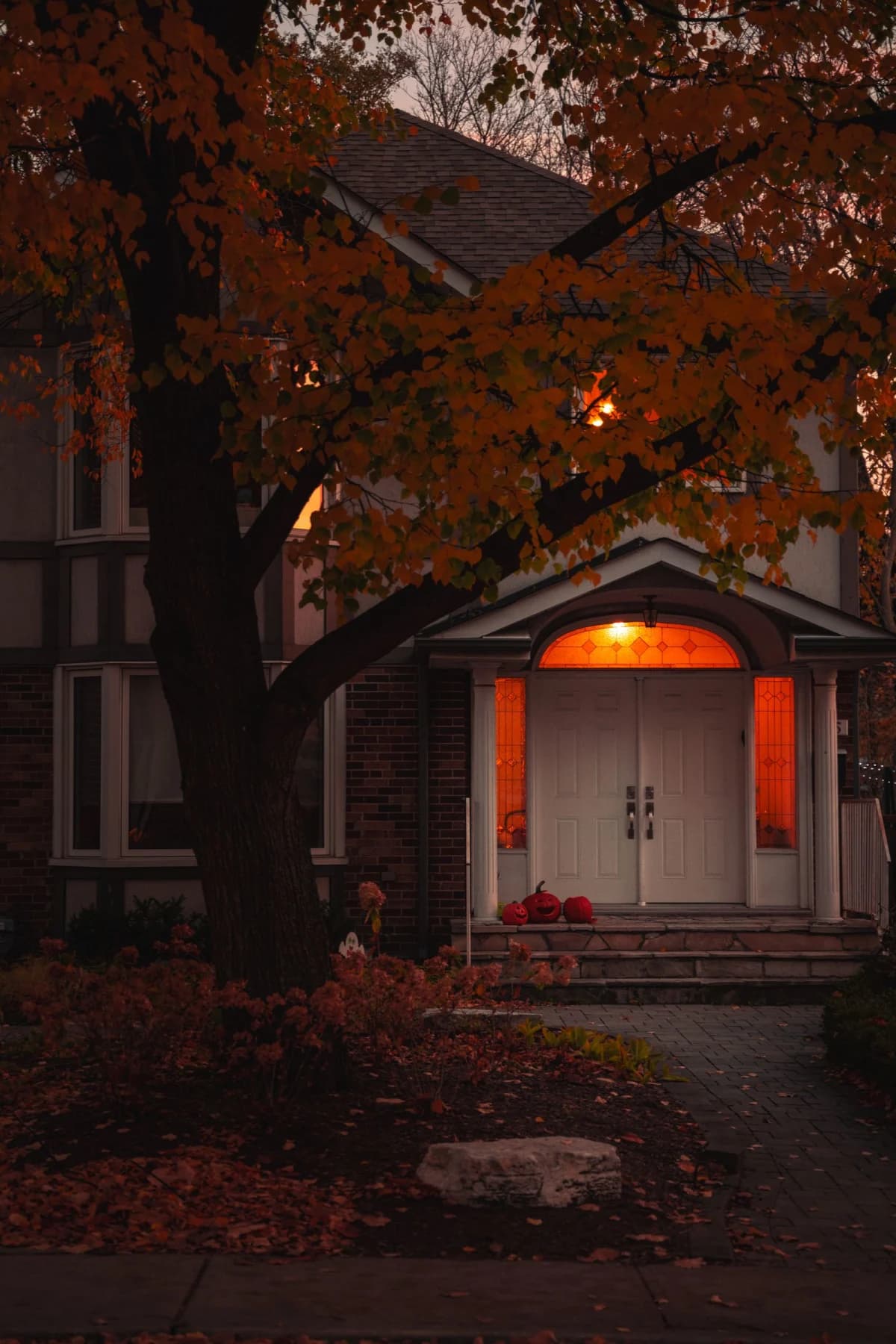
When the clocks go back on November 1, 2026, evening darkness arrives an hour earlier across most of Canada, in Toronto, sunset shifts from around 6:10 p.m. to roughly 5:10 p.m. overnight. The result is weeks of commuting home in darkness, and many people notice their sleep, energy, and mood slipping. The good news: research points to a handful of practical, evidence-based habits, especially getting daylight early in the day, that help most people cope with the early darkness.
A note on scope: This article covers general winter wellness information only. It is not medical advice and does not diagnose anything. If low mood or sleep problems are persistent or interfering with your life, a family doctor or mental health professional is the right person to talk to.
Key takeaways
- Losing evening daylight disrupts the body's internal clock, which regulates sleep, alertness, and mood hormones like melatonin and serotonin.
- Morning daylight is the single strongest lever: even a short walk outside shortly after waking helps reset circadian rhythm.
- Bright light therapy (typically 10,000 lux for about 30 minutes each morning) is a recognized treatment for seasonal depression, under medical guidance.
- Regular sleep times, daily movement, and staying socially connected are consistently recommended by Canadian mental health organizations.
- Persistent low mood, extreme fatigue, or loss of interest in daily life are signals to speak with a doctor or mental health professional.
Why does early darkness affect mood and sleep?
Your body runs on a roughly 24-hour internal clock, the circadian rhythm, that expects light in the morning and darkness at night. Light is the main signal that keeps this clock aligned with the real day. When evenings suddenly go dark an hour earlier, that signal shifts abruptly, and many people feel the transition before their clock catches up.
CAMH (the Centre for Addiction and Mental Health in Toronto) notes that even subtle shifts in daylight, such as those caused by the daylight saving time change, can disrupt circadian rhythms and reduce exposure to natural light, affecting serotonin and melatonin, two hormones closely tied to mood and sleep.
In practical terms, this is what many Canadians experience in November: the day ends before dinner, motivation drops after work, and the couch becomes harder to leave. For some, this is a passing adjustment. For others, darker months bring a pattern of low mood and energy that deserves more attention.
What is Seasonal Affective Disorder (SAD)?
Seasonal Affective Disorder is a clinically recognized form of depression with a seasonal pattern, typically beginning in late fall and lifting in spring. CAMH notes it was first identified in the 1980s by psychiatrist Dr. Norman Rosenthal, and subsequent research has confirmed the seasonal pattern. The reassuring part: it is very treatable.
Common symptoms, as listed by CAMH and Canadian health sources, include lower energy and mood, difficulty concentrating, changes in appetite and sleep, withdrawal from family and friends, and loss of enjoyment in activities a person usually likes. Dr. Michael Mak, a psychiatrist and sleep specialist at CAMH, has said that it is the lack of light, not the cold, that drives these symptoms.
Importantly, SAD is different from the everyday "winter blues." A rough patch of low energy after the time change is common. A sustained pattern of symptoms that significantly impairs daily life is something else, and it is exactly what doctors know how to treat.
What the evidence says: light, mood, and sleep
The relationship between light exposure and mood is one of the better-studied areas of winter mental health. Dr. Mak summarizes the evidence plainly: "We know that light exposure is actually good for sleep and our mood."
Bright light therapy, sitting near a UV-filtered light box emitting about 10,000 lux for roughly 30 minutes each morning, is an established treatment for seasonal affective disorder, and research suggests it can help broader depression as well. CAMH recommends trying light therapy under medical guidance.
Even without a light box, natural daylight helps. A cloudy November morning still delivers far more light than indoor lighting, outdoor daylight on an overcast day can exceed 10,000 lux, while a typical office is closer to 500 lux. Health sources consistently advise getting outside in the morning, sitting near windows during the day, and keeping curtains open to let daylight in.
Eight evidence-based ways to cope with the early darkness
1. Get daylight in the morning
This is the single highest-impact habit. Aim for time outdoors within an hour or two of waking, even 10 to 20 minutes helps. Open blinds, sit near windows, and take your lunch break outside when you can. On cloudy days, the effect is still real; daylight regulates the circadian clock even through cloud cover.
2. Keep a consistent sleep schedule
Protect your sleep like it matters, it does. CAMH's guidance is specific: maintain regular sleep patterns, avoid screens before bed, and wake at consistent times, including weekends. The November time change is a good moment to lock this in, since an extra hour of sleep on the fall-back weekend gives you a running start.
3. Move every day
Daily movement activates mood-supporting neurotransmitters and improves motivation and resilience, according to CAMH. It does not need to be intense: a brisk walk, especially in daylight, covers exercise and light exposure at once. Consistency beats intensity through the dark months.
4. Consider light therapy, with medical guidance
If morning daylight is hard to get (shift work, early commutes, long office days), a 10,000-lux light box used for about 30 minutes in the morning is the evidence-based standard. Look for UV-filtered lamps designed for this purpose, and check with a doctor or pharmacist first, light therapy is generally safe but is not right for everyone, including some people with eye conditions or bipolar disorder.
5. Eat regularly and keep meals balanced
Cravings for carbohydrate-heavy comfort food are a common winter pattern. CAMH advises prioritizing nutritious meals and consistent eating schedules to support physical and emotional well-being. Balanced meals help stabilize energy and mood through the day better than skipping meals and grazing at night.
6. Stay socially connected
Withdrawal is both a symptom and an accelerant of winter low mood. Build a support system, friends, family, colleagues, or a therapist, and schedule things you are accountable for showing up to. CAMH also suggests pacing yourself: avoid overcommitting and create space for rest, not just obligations.
7. Make your home light-friendly
Small environmental changes add up: keep curtains and blinds open during the day, work near windows when possible, swap dim warm bulbs for brighter lighting in the rooms you use most during the day, and keep evenings calmly lit rather than glaringly bright, too much bright light late at night can push sleep later.
8. Reduce stress proactively
Recognize the early signs of a winter slump and respond with structure rather than willpower. Talk to a mental health professional, explore meditation or breathing routines, and build routines that soothe rather than strain, a walk, a bath, a regular hobby, before November's darkness builds momentum.

When to seek professional help
Everyday low energy after the clocks change is common. But if you experience persistent low mood, extreme fatigue that sleep does not fix, loss of interest in things you usually enjoy, difficulty concentrating, or appetite and sleep changes that interfere with work or relationships for more than a couple of weeks, talk to a family doctor.
For immediate crisis support in Canada, call or text 988, the Suicide Crisis Helpline, available 24/7 in English and French. You can also call Kids Help Phone at 1-800-668-6868 or text 45678.
If cost or access is a barrier, many employers offer Employee and Family Assistance Programs with free counselling sessions, and provincial health lines can point you to local resources. The earlier you reach out, the more options you have.
Next steps for this week
- Pick one morning this week to take a 15-minute walk in daylight before or after your commute.
- Check your sleep schedule: set a fixed wake-up time for the seven days around November 1.
- If mornings are dark by the time you leave home, research UV-filtered light boxes and discuss light therapy with a pharmacist or doctor.
- Tell one person how you're feeling about the coming winter, connection starts the season stronger.
The bottom line
Early darkness is a real physiological challenge, not a personal failure, it disrupts the light signals your brain uses to time sleep and mood. But the same research that explains the problem points to the fix: morning daylight, consistent sleep, daily movement, and connection. Use the tools, and reach out to a professional if the darkness feels like more than a seasonal dip.
For the full picture on what happens this year, see our explainer on the 2026 time change, including which provinces no longer move their clocks at all.
Sources
- CAMH, Coping with Seasonal Affective Disorder (SAD): Practical Tips for Winter Wellness
- The Weather Network, Shining 'a light' on seasonal affective disorder, ways to cope
- The Weather Network, Shining a spotlight on seasonal affective disorder (SAD)
- timeanddate.com, Sunrise and sunset times in Toronto, November 2026

Quick answers
Frequently asked questions
01
How quickly do the early-darkness effects wear off?
Most people adjust to the clock change within a few days to a couple of weeks. If low mood or sleep disruption persists well into winter or worsens, that is a different pattern worth discussing with a doctor.
02
Is light therapy the same as sitting under bright lamps at home?
Not quite. Standard indoor lighting is far dimmer than a therapy lamp (hundreds of lux vs. 10,000 lux). Light boxes are designed, tested, and UV-filtered for this purpose. Discuss use with a medical professional.
03
Should I take vitamin D in winter?
Many Canadians have lower vitamin D levels in winter, but supplementation is a personal health decision. Discuss it with your doctor rather than starting high-dose supplements on your own.
04
Can children be affected by the early darkness too?
Yes, children's sleep and behaviour can shift with the clock change. Keeping consistent bedtimes and getting them outside in daylight helps. Talk to a paediatrician if problems persist.